Framework
Cargo package gpui-box imports as gpui. It
is derived from GPUI source imported from Zed, but it is not an official
Zed project.
GPUI Box
Independent GPUI framework distribution plus a product-neutral component, semantic automation, and visual-test kit. Not an official Zed project. Surfaces group with colour rather than lines, every word is replaceable, and every state is the state it claims to be.
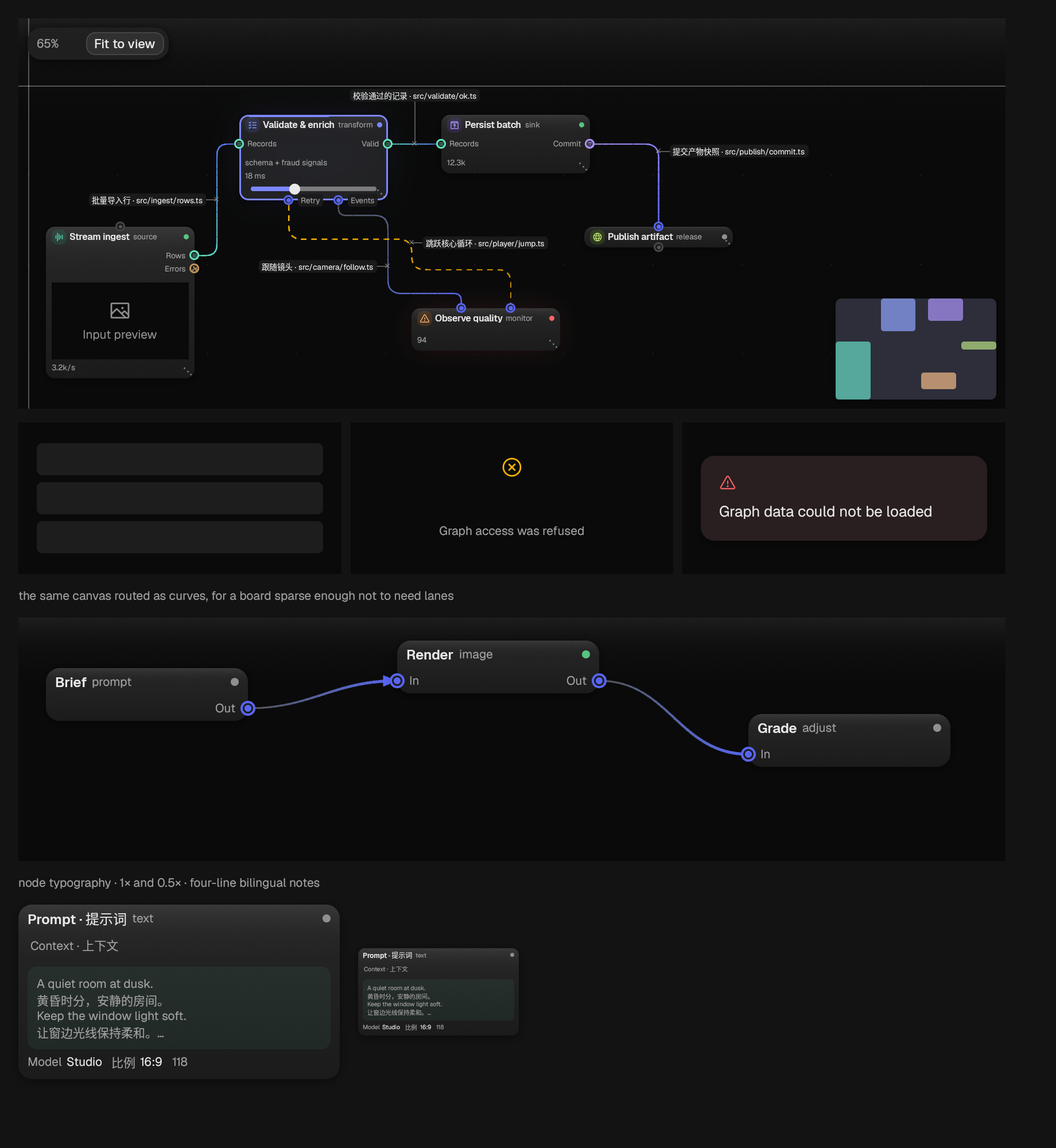
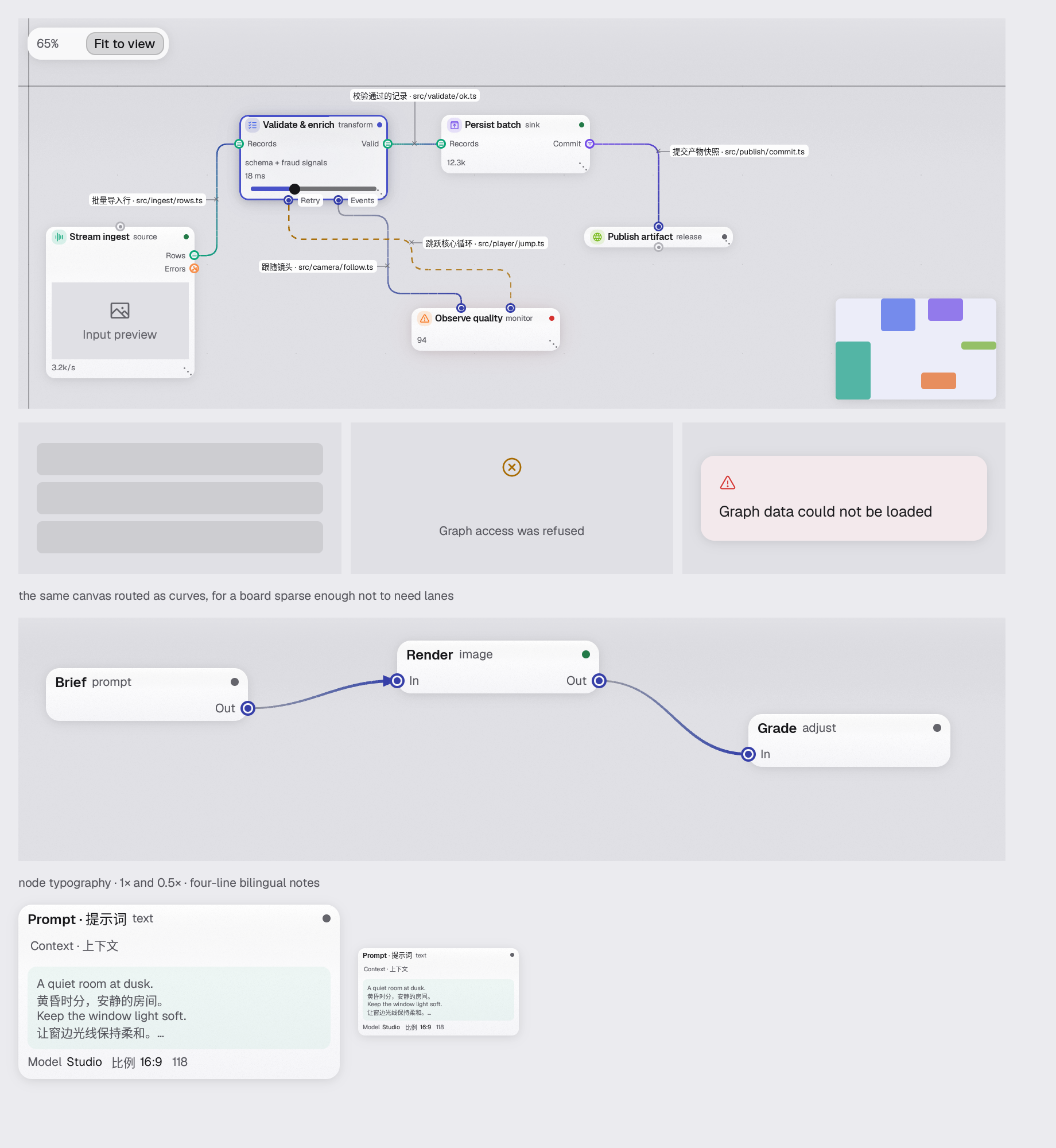
The same Rust scene, live in both themes. Until a renderer is ready, or if this browser cannot start one, the verified capture remains. The documentation stays searchable static HTML.
Framework, kit, tokens, truthful states, a visual gate, and the catalog an agent can post to.
Cargo package gpui-box imports as gpui. It
is derived from GPUI source imported from Zed, but it is not an official
Zed project.
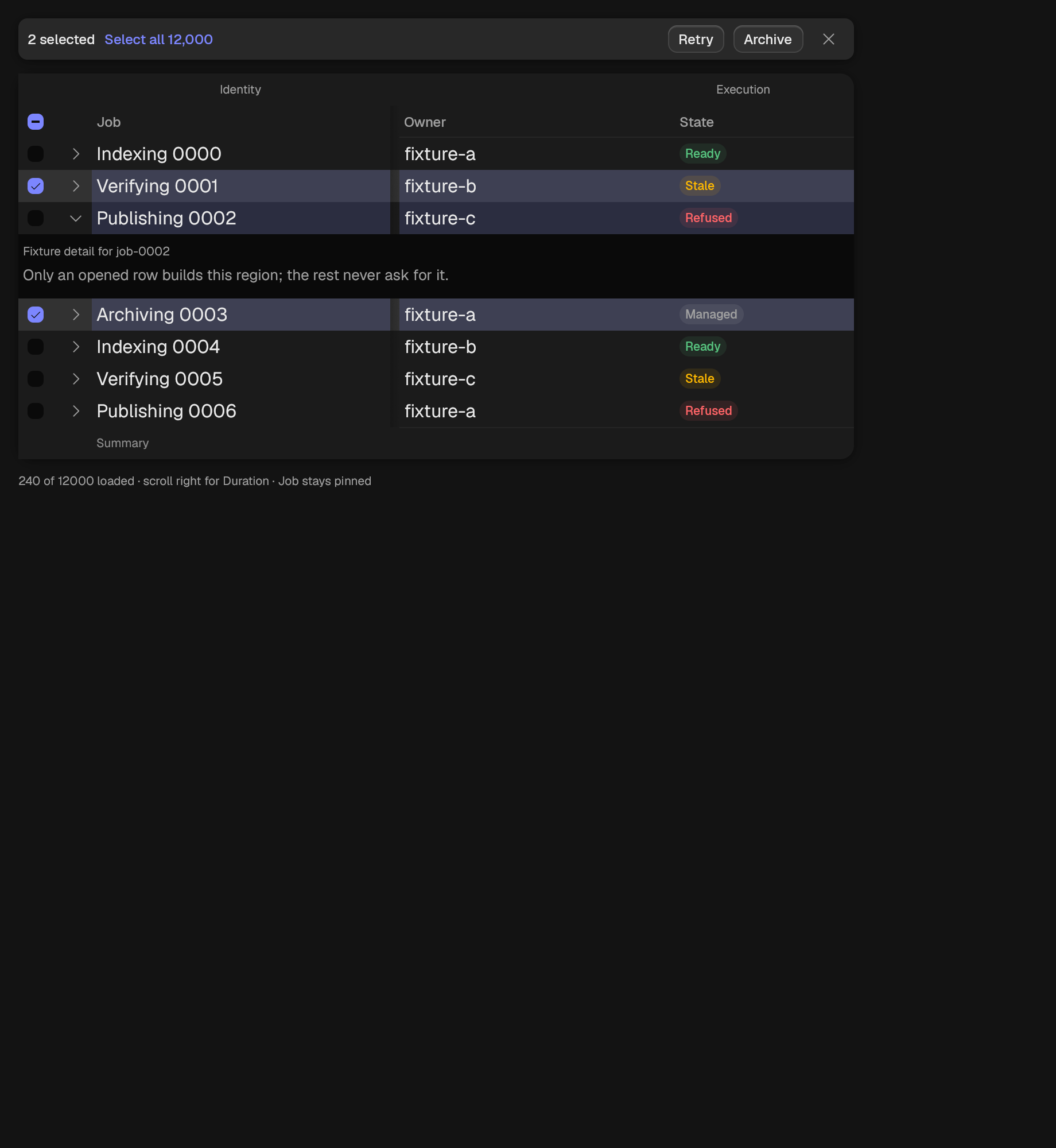
170 builders and 42 views. Components read caller-owned data, emit caller-owned actions, and hold visual transient state only. Open the catalog.
Colour, spacing, radius, type, motion and effect come from one token document through the theme. Studio ships dark and light. Token model.
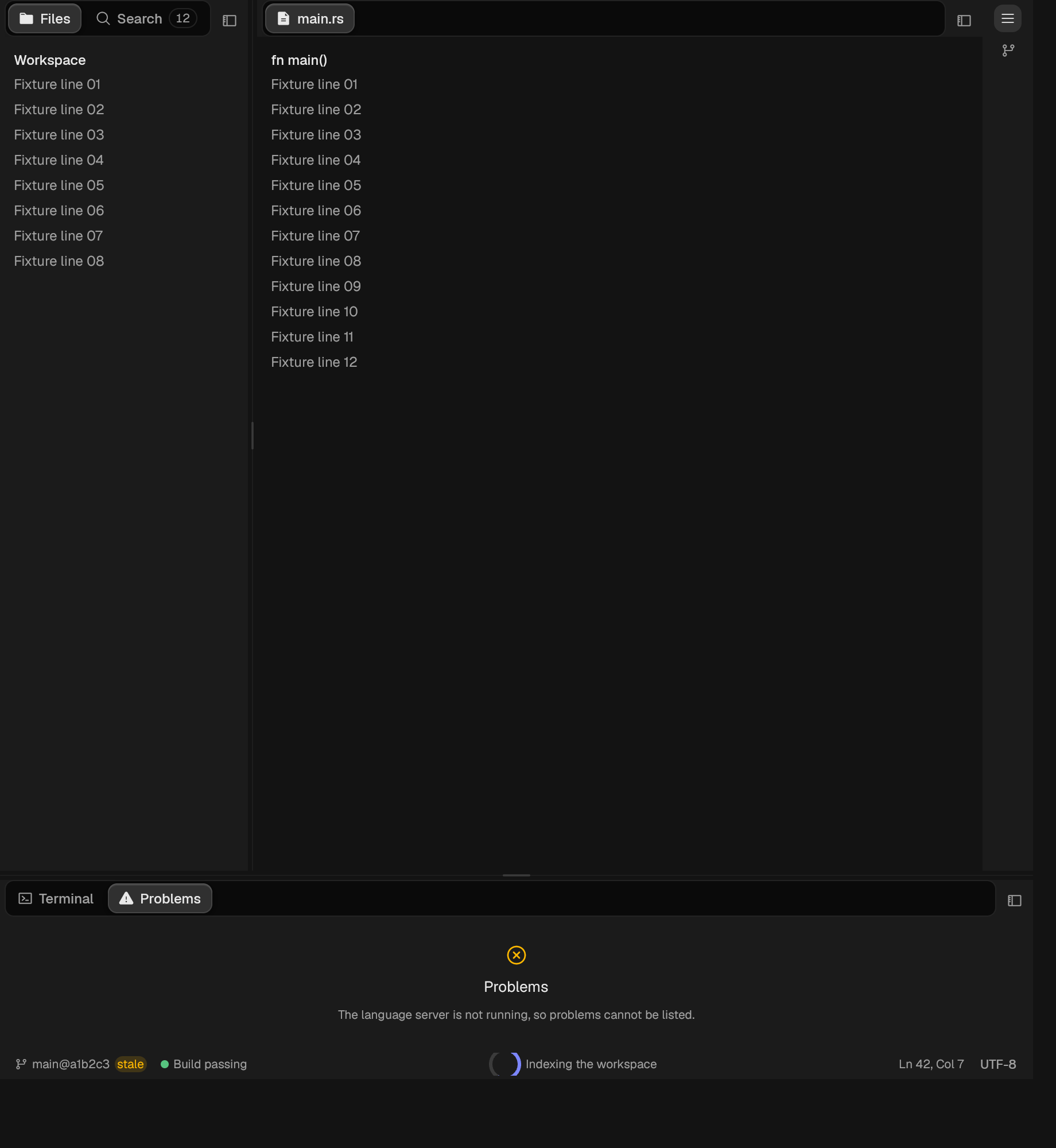
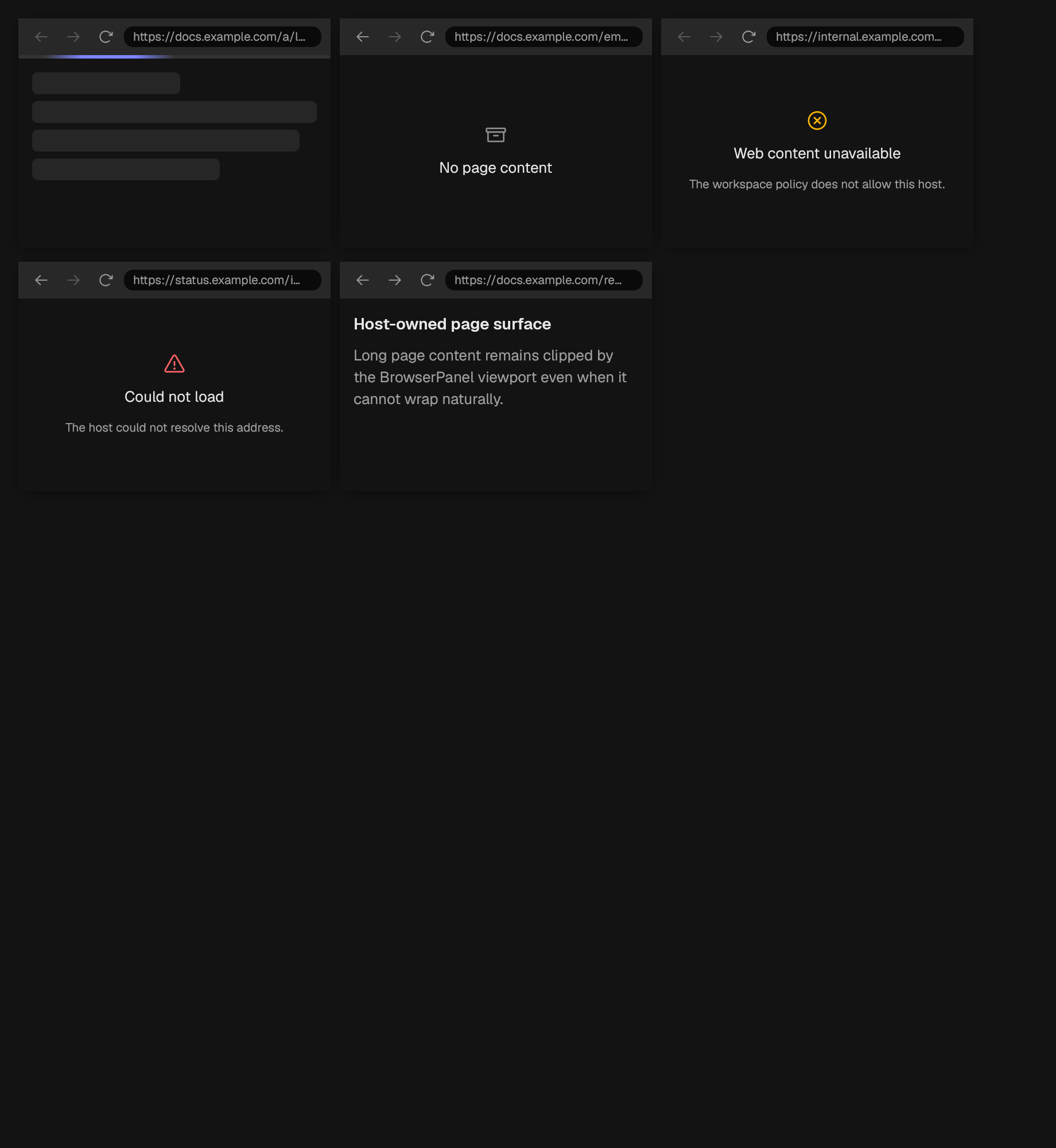
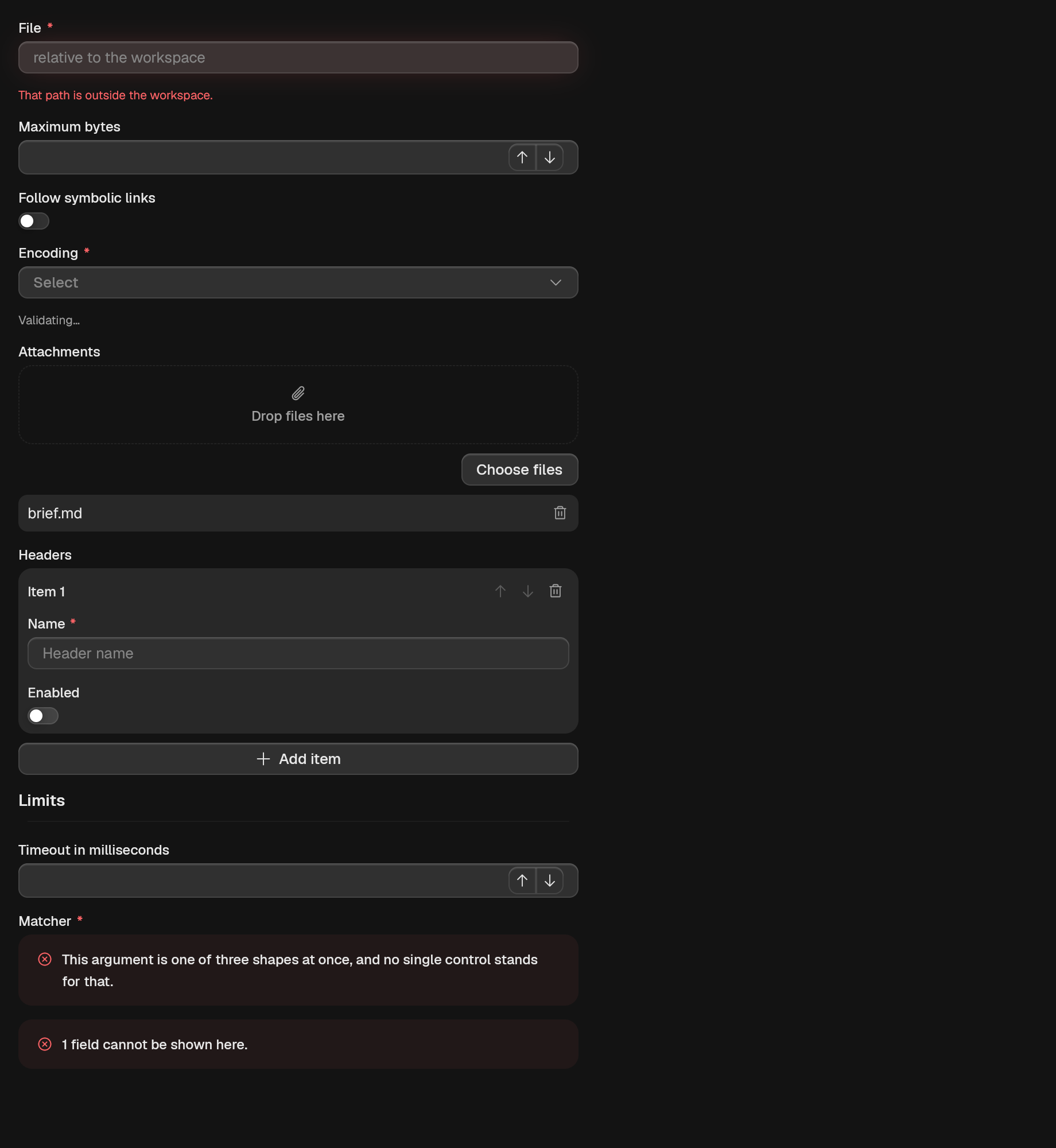
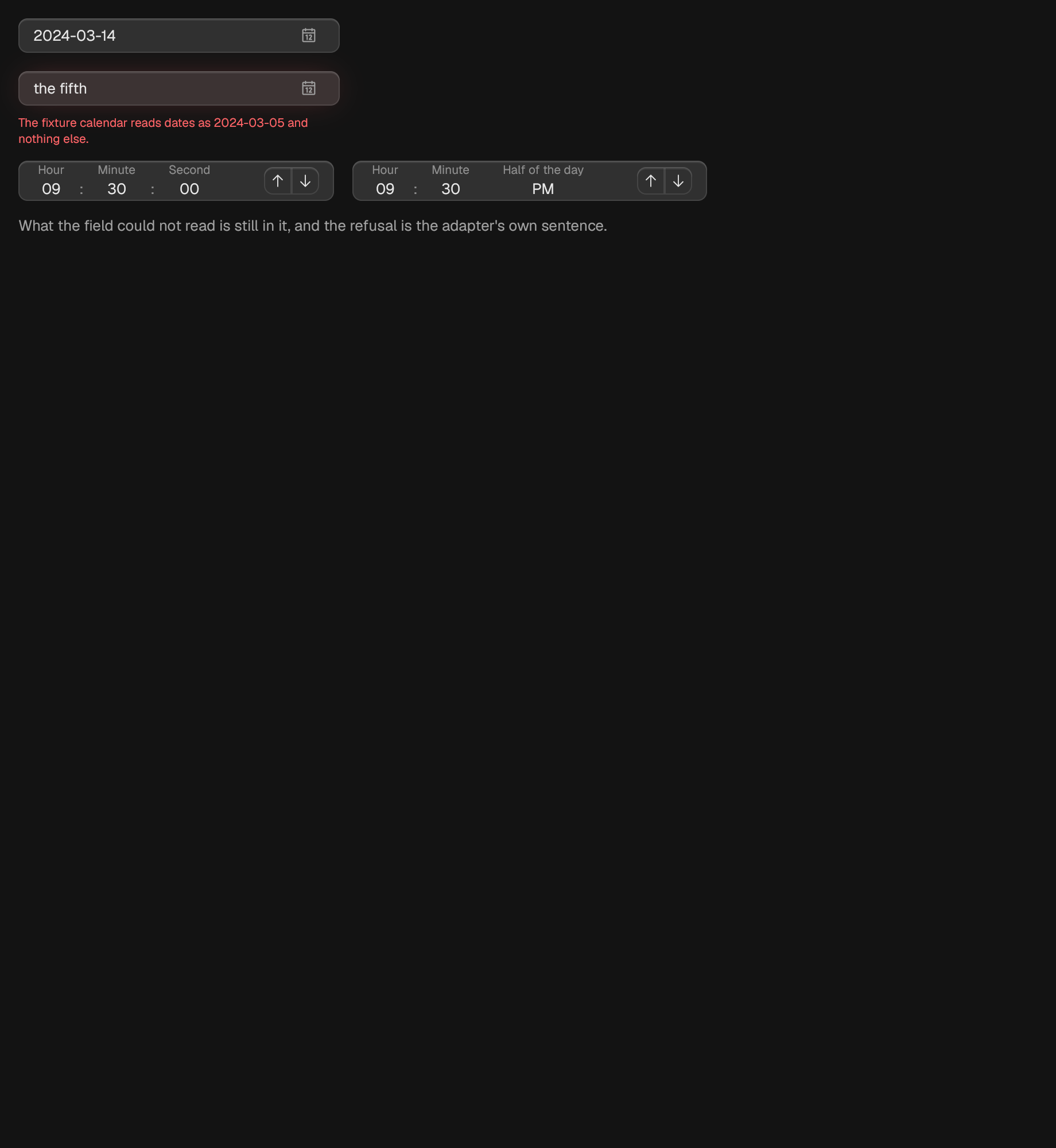
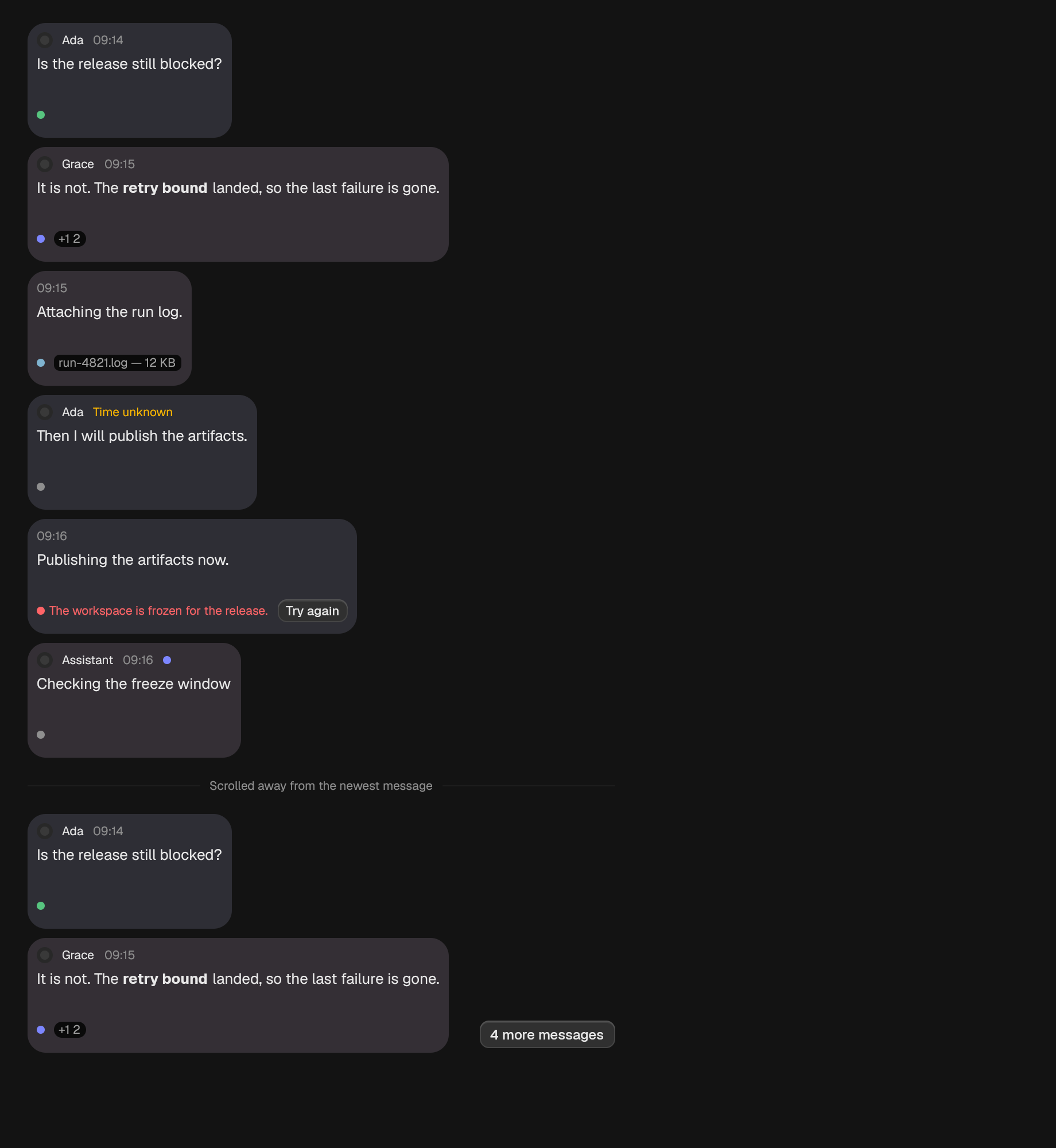
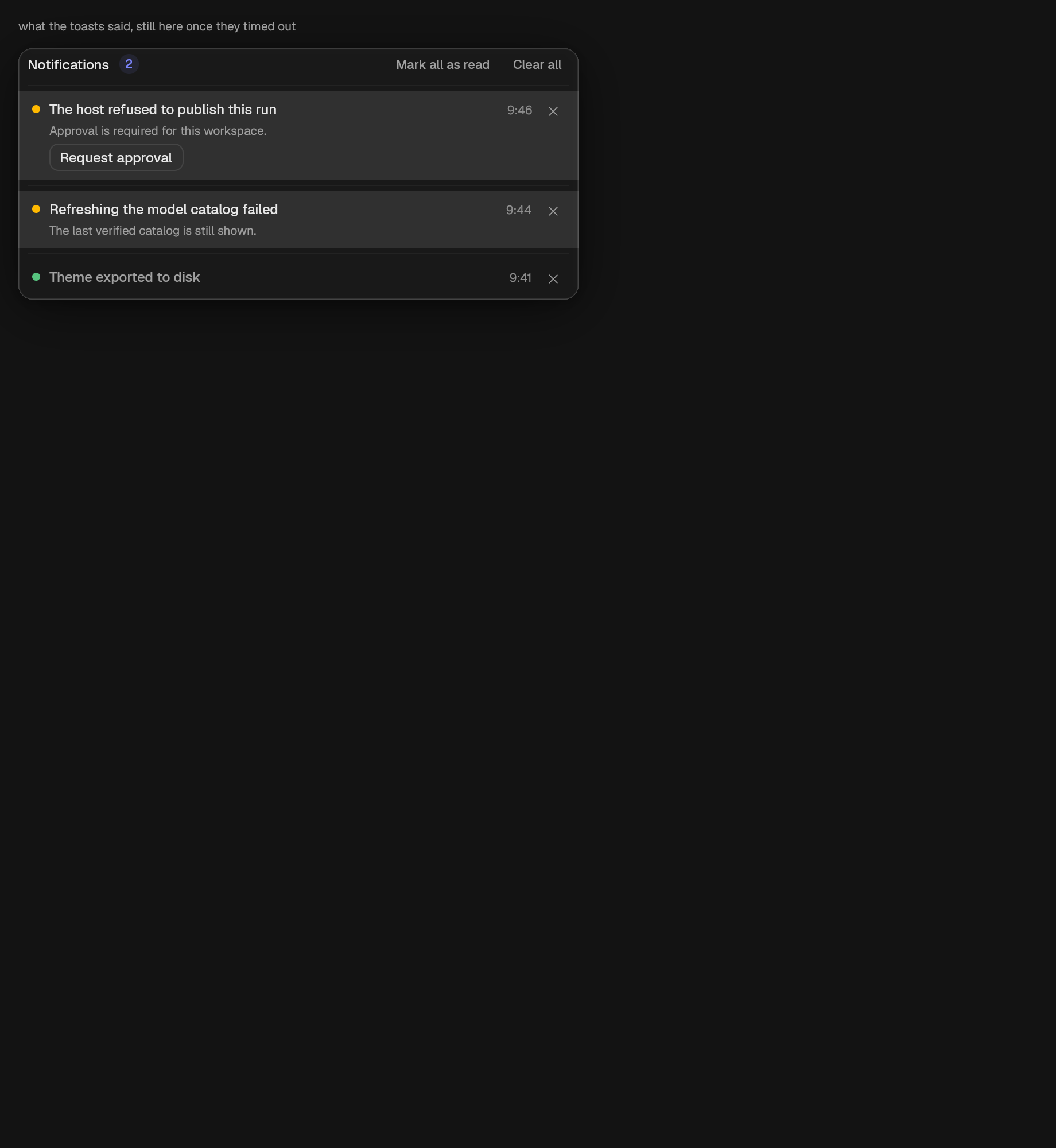
Loading, Empty, Unavailable, Error and Ready are five things. A refresh failure keeps the last verified value on screen. Anything actionable carries a stable semantic id. Truthful UI · Semantics.
Every signature on this site was compiled and every image was rendered by the same gate that guards the library. Compose · Screenshot testing.
The same catalog as this repository, answered for an agent — not the
crates.io cohort. Hosted render_scene returns the committed
capture. Open MCP.
Use Cargo aliases so source code keeps the conventional
gpui and gpui_kit imports. Do not add another GPUI
implementation to the same application.
[dependencies]
gpui = { package = "gpui-box", version = "0.1.1" }
gpui_platform = { package = "gpui-box-platform", version = "0.1.1" }
gpui_kit = { package = "gpui-box-kit", version = "0.1.1" }use gpui_kit::prelude::*;
let app = gpui_platform::application().with_assets(gpui_kit::assets::Assets);
app.run(|cx| gpui_kit::install(cx));Canonical renderings, captured in both themes and compared pixel for pixel. The rest live in compose.